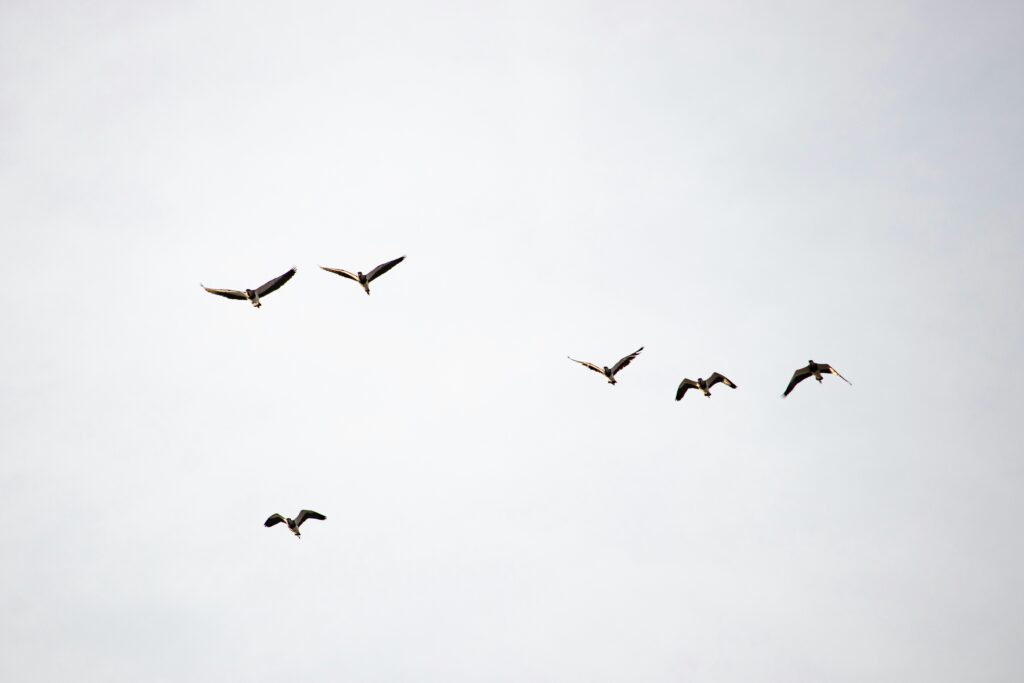
A winter trip to Long Beach, Washington, is a good reason to dig out the binoculars. Over on Willapa Bay, ducks and geese gather on the water while small shorebirds feed along the mudflats. You can spend a little time watching, then carry on with the rest of your day. It is an easy thing to add to a beach weekend in November or December.
Some of those birds spend the winter here. Others, like bald eagles and great blue herons, can be found throughout the year. You do not have to know the name of everything you see to enjoy watching. There is no need to turn the outing into a checklist.
That is what makes winter birdwatching in Long Beach, WA, easy to work into a coastal trip. You can spend a morning exploring the bay or take a shorter walk between other plans. Pick one spot, bring boots, and let the birds decide how long you stay.
Start With the Bay
The ocean gets most of the attention here. I understand that. It is a big ocean. But the other side of the peninsula is worth making time for too. Willapa Bay has mudflats, marshes, and sheltered water, with coastal forest and freshwater wetlands nearby. Different birds use different parts of it, so a change of scenery gives you something else to look for.
The peninsula sits along the Pacific Flyway, one of the routes migrating birds follow along the West Coast. Willapa National Wildlife Refuge gives more than 200 bird species places to stop, nest, or spend the winter over the course of the year.
What Is Here in November and December?
Ducks are a good place to start. American wigeon, northern pintail, mallard, and bufflehead are all on the refuge’s winter bird list. Take your time looking across the water. Look closely and you will start to pick out different shapes and markings among the ducks.
Brant geese spend the winter around the bay too. Along the mudflats, look for dunlins, small shorebirds that are abundant here in winter. They need room to feed and rest, so watch from a distance rather than trying to get the flock to move for a photograph. They were here first.
Bald eagles and great blue herons are here year-round. If you take a wooded trail, there are also chickadees, kinglets, and thrushes to watch for. It is worth looking into the trees as well as out at the water.
The big shorebird migrations happen in spring and fall, but the bay stays busy through winter. November and December are a chance to watch the ducks, geese, and shorebirds that settle in for the colder months.
A Walk at Leadbetter Point
Leadbetter Point State Park is up at the north end of the peninsula. You have the ocean on one side, the bay on the other, and forest and dunes in between. There is a lot to look at without having to make a whole day of it.
There are seven miles of trails, including half a mile of accessible trails, so you can keep the walk short. Before driving up in winter, I would check how wet the trails are. After days of rain, an easy route on the map may be flooded.
Bring your Discover Pass for parking, wear waterproof boots, and check the park’s current notices before driving up. If a trail is flooded, turn around. There is no reason to spend the rest of the day drying out because the map said you could keep going.
The wooded trails are worth a slow walk too. Watch for chickadees, kinglets, and thrushes among the branches. The western tanagers belong to a summer visit.
Another Place to Try: South Bay
South Bay Trail is six-tenths of a mile each way, ending at an overlook. Along the way, you pass grassland, forest, and wetlands. The overlook gives you somewhere to stop and look for waterfowl, shorebirds, and bald eagles. Leave yourself time there. Getting to the end of the trail is only part of the reason for the walk.
Porter Point and Parker Slough are other options, but there are a couple of things to know in winter. Part of Parker Slough closes from October 1 through February 10 for waterfowl hunting season. Porter Point can flood at high tide, and parts of it are next to hunting areas. Read the current notices, follow the signs, and pick the walk that makes sense that day.
When the Bay Is Too Wet, Try the Ocean Side
The Long Beach Boardwalk and Discovery Trail give you an easy way to spend some time outside and look along the shore. Pick a break in the weather, bring a jacket, and stay as long as everyone is enjoying it.
Keep an eye out for sanderlings (Calidris alba), the little sandpipers gathering in large flocks along the beach. I see them here often, and they are a good reason to pause during a walk on the ocean side.
Watch how they follow the waves. As the water recedes, they dart across the wet sand to pick up tiny invertebrates, then scurry back up the beach before the next wave reaches them. The flock keeps moving back and forth along the surf, almost as though everyone is following the same cue.
They put on quite a show when they take flight, too, turning together over the sand. Give them room and watch from a distance so they can keep feeding. It is an easy few minutes of birdwatching to add to a beach walk, even without binoculars.
Down at the south end of the peninsula, Cape Disappointment has forest walks, lighthouse views, and local history to add to the day. Check what is open before going; seeing a lighthouse from outside and taking a tour inside are two different plans in winter. There are more ideas in our things to do in Long Beach, WA guide.
Whichever side you pick, the gear is simple: binoculars, warm layers, a rain jacket, and waterproof boots. A bird guide or an identification app helps when you want to know what you are looking at. You do not need to buy a large amount of equipment for a short walk by the bay.
Stay on the trails and give the birds space. If your approach makes them stop feeding or fly off, back up. Leave the recorded bird calls off too. Watching quietly gives them a chance to carry on with what they were doing.
Come Back to a House You Actually Want to Spend Time In
Some mornings, the weather will hold, and you will want to stay out longer. Other days, getting inside and making lunch will start sounding good fairly early. That is part of what I keep in mind with Beachhousewa, the five vacation homes I own and manage in Long Beach. A beach house should feel good on a rainy afternoon too.
That goes back to the vacations I took with my family when I was young. Arriving at the house and finding the games, books, and places to settle in was part of the fun. When I started building and remodeling these homes, I kept thinking about what I would want my own family to find.
Seagrass has room for everyone to spread out and a game room for when they come back together. At Ocean Trail, a private path through the dunes makes another walk to the beach easy. Beach Cabin has places to curl up inside after a wet afternoon.
Lewis and Clark each have two private suites, kitchens ready for cooking, and plenty of indoor games. Staying in for the afternoon can be a pretty good part of the trip too.
You can see the five houses and check dates on our booking page. Pick a house that fits your group, and leave a little time in the weekend for the bay.
A Few Questions Before You Go
Can you go birdwatching in Long Beach in November and December?
Yes. Ducks, brant geese, and dunlins spend the winter around Willapa Bay, and bald eagles and great blue herons are here year-round. What you see on a particular day will vary. Give yourself some time and see what turns up.
Where should I start?
South Bay Trail has an overlook for watching the bay, and Leadbetter Point has forest, dunes, and shoreline to explore. In winter, check the trails before choosing. The better walk is the one you can comfortably enjoy that day.
Will the trails be wet?
Plan on it. Leadbetter trails can flood from October through May. Waterproof boots are useful, but if the route is underwater, choose another walk. Check the park and refuge notices before leaving the house.